Face Painting Using Straight Lines
The technique of face painting using straight lines is a unique tool designed to accurately and impressively portray the facial shape of the model. Through straight lines, you can create the basic structure of the face, emphasize its key features, and create the complex texture of the skin and lips.
With this technique, you can enhance the professional and attractive appearance of the model, and create a unique portrait of her face. Straight lines give the painting a modern and interesting aesthetic, allowing you to focus on the smallest and most important details of the face.

For those interested in learning new and interesting painting techniques, face painting using straight lines is an excellent choice. The learning process will help improve artistic abilities and enhance the ability to represent faces accurately and impressively.
Face painting using straight lines offers an interesting and challenging artistic experience, serving as an excellent tool for development and success in the world of modeling and art.
Face Painting Techniques Using Curved Lines
Face painting is one of the most popular modern arts, and every model needs to know how to create it in a professional and aesthetic way. Face painting using curved lines is an excellent way to create masterpiece works that will upgrade your portfolio and contribute to success in the world of modeling.
Using curved lines allows you to create a sense of depth and a realistic look to the image. Initially, it is advisable to draw the structure of the face and place the main details on the paper. Then, through curved lines, you can add the small and interesting details that will give the painting life and a natural appearance.
When we paint lines, we express emotions and feelings
Shira Cohen – Artist and Instructor
To improve your painting skills using curved lines, it is advisable to practice in various areas. Try drawing faces from the Roman period, children’s faces, or even animal faces. The more you practice, the more you will improve and evolve as an artist.
To achieve impressive results, it is advisable to choose scents and styles that suit you. This process will help you create artistic and unique works that will contribute to your success as a model. Remember, every artwork is an expression of yourself and an opportunity to express creativity and courage.
Using Shades and Colors to Create a Natural Look
The use of shades and colors in the face painting technique using lines is an integral part of the creation process. To create a natural and impressive look, it is important to understand how to use different shades and combine them appropriately.
When it comes to face painting, it is important to remember that the skin is the central focus of the image. To create a natural look, use different shades of skin colors, such as brown, pink, blue, and yellow. Additionally, pay attention to shadows and differentiate between different areas of the face.

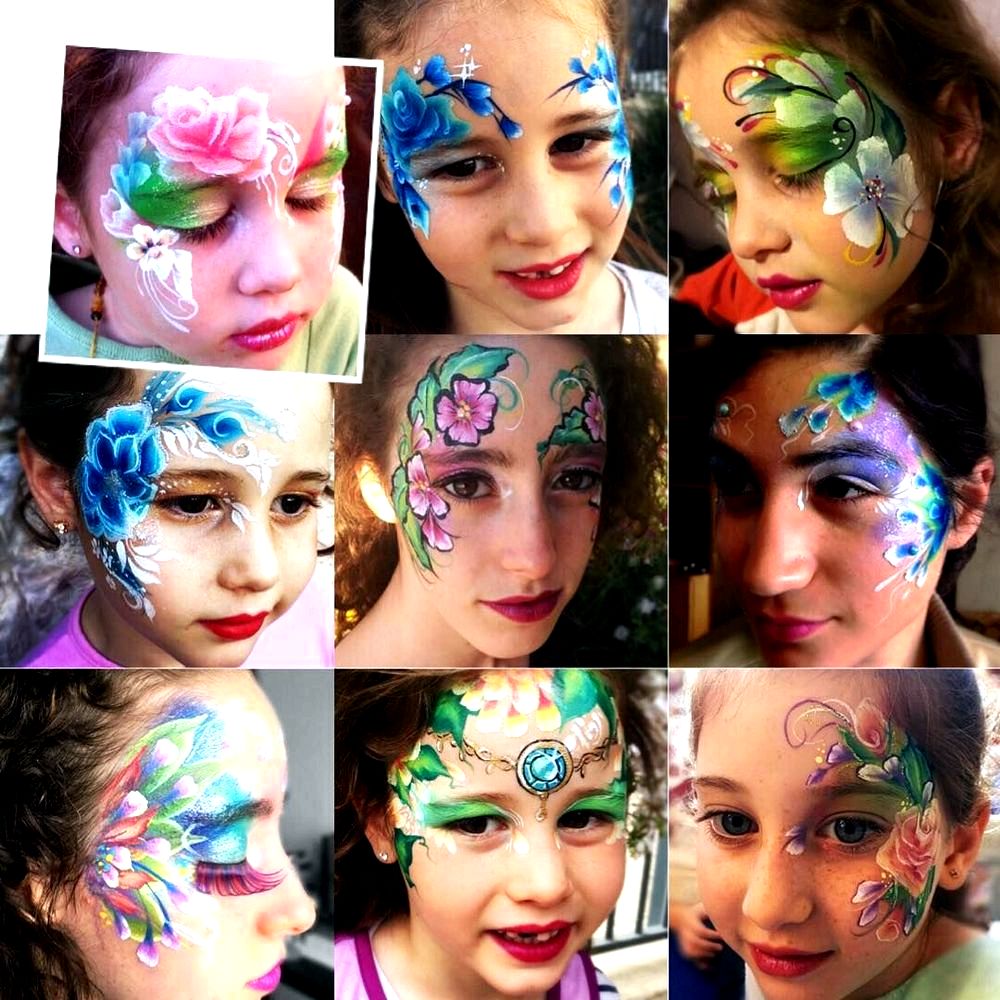
Furthermore, use earth tones and plant colors to create a natural and attractive effect. When using such natural tones, the image feels warm and inviting.
Lines are like the language of the brain
Avraham Cohen – Plastic and Painting Instructor
In conclusion, to create a natural look in the face painting technique using lines, it is important to combine different shades and create a balance between colors. Only through proper use of shades and colors can you create an impressive and expressive image that conveys the natural appearance of the face.
The Influence of Lighting on Face Painting and Lines
In the face painting technique using lines, lighting plays a central role in creating the image. Understanding and using lighting correctly can significantly improve the quality of the painting and enhance its overall appearance.
Good lighting can create a three-dimensional stance in the painting, improve facial expression, and emphasize the physical structure of the face. Additionally, lighting can create shadows and highlights that add depth and dimension to the painting.
To use lighting optimally, it is important to understand the angles of light and shadows coming from the light source, and to recognize the small details in the face that can enhance the overall look of the painting.
Furthermore, it is important to remember that suitable lighting can create or change the overall atmosphere of the painting. Warm lighting can create a soft and calm atmosphere, while cool lighting can create a cool and stimulating atmosphere.
Finally, it is important to remember that lighting is a vital tool in creating face paintings using lines, and should be used correctly to ensure an impressive and impactful result.
Using Different Techniques to Create a Sense of Distance and Proximity in Painting
In the face painting technique using lines, there are several different techniques that can be used to create a sense of distance or proximity in the painting. When using these techniques correctly, you can give the painting depth and dimension and create a feeling of closeness or distance between the viewer and the subject being painted.
One of the common techniques is using thick and smooth lines in different areas of the painting. Thick and smooth lines give the image depth and an impressive look, while thinner lines help create a sense of closeness and intimacy. By using a combination of thick and thin lines, you can create a sense of depth and distance simultaneously in the painting.
Another technique is using different shades of colors to create a sense of distance and proximity. When using warm and bright colors in areas close to the center of the painting, and cool and dark colors in distant areas, you can create a sense of proximity and distance in the painting visually.
When using these techniques correctly, you can create a sense of distance and proximity in the painting in a fascinating and impressive way. Every artist can find the techniques that suit them and use them to create stunning paintings that provide an experience and emotion to viewers.
Comparison Between Thin and Thick Lines in Face Paintings
In the artistic world of modeling and representation, the face painting technique using lines is a vital tool for creating impressive and impactful works. When talking about face painting, thin and thick lines are two types of lines that are created during the painting process.
Lines depict the connection between the artist and his creation
Miriam Rabinovitz – Painting and Creation Instructor

Thin lines are delicate and fine lines used to illustrate details and intricacies in the face, such as lines drawing the shape of the eyes, lips, and small details on the face. Thin lines give the painting a soft and abstract look, conveying sensitivity and warmth.
In contrast, thick lines are bold and heavy lines used to enlarge the features of the face and give them a powerful and emphasized appearance. Thick lines convey strength and power, enlarging the image of the painting.
By combining thin and thick lines in face paintings, artists and creators can create stunning works that combine softness and strength, tenderness and power. When they use both types of lines perfectly, they can create face paintings that express emotions, sensitivity, and intensity.
In summary, comparing thin and thick lines in face paintings is important for creating impressive and deep paintings that combine softness and strength, tenderness and power. When creatively using both types of lines, you can create artistic works that enhance and deepen the understanding of the faces and emotions depicted.